
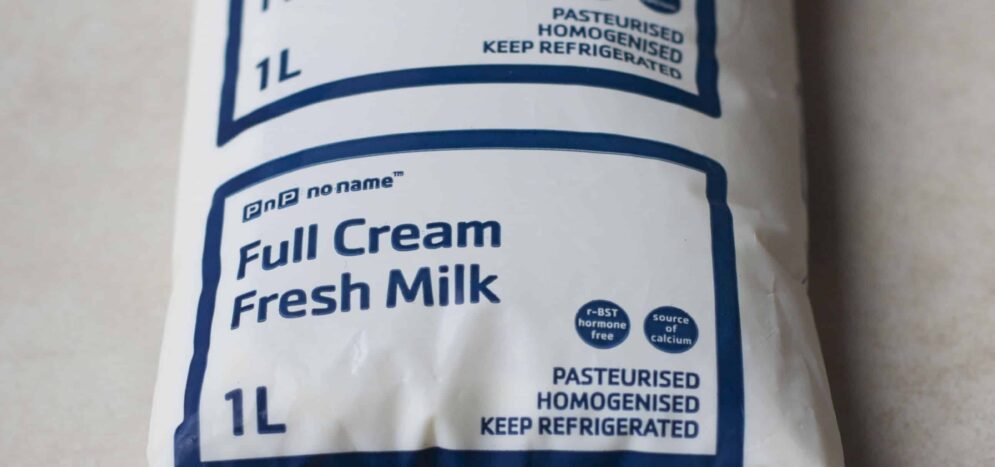
Milk Pouch Film: Machine, Layers & Quality Control
Milk pouch film is one of the most widely used flexible packaging materials in the dairy industry. It is lightweight, durable, hygienic, and cost-effective for storing and transporting milk. Modern milk pouch film is produced using advanced multilayer blown film technology that ensures strength, sealability, and product protection.
The quality of the film depends on several factors, including raw material selection, machine performance, layer structure, and quality inspection. Manufacturers rely on high-performance extrusion systems to produce consistent films that meet food packaging standards.
At Ashok Extrusion Tech, advanced blown film solutions are designed to help manufacturers produce high-quality packaging films with reliable performance. Learn more at https://ashokextrusiontech.com/.
What Is Milk Pouch Film?
Milk pouch film is a flexible plastic film specially designed for packaging liquid milk. It protects the product from contamination, leakage, moisture, and handling damage while maintaining freshness throughout transportation and storage.
Most dairy manufacturers use multilayer polyethylene films because they provide excellent sealing properties, durability, and food safety.
High-quality milk pouch film also supports high-speed filling machines without tearing or leakage.
How Is Milk Pouch Film Manufactured?
The production of milk pouch film begins with melting plastic resin inside an extrusion system. The molten material passes through a circular die to form a tube of plastic, which is then inflated into a bubble using air.
The film bubble is cooled, flattened, and wound into rolls before being sent for printing and pouch making.
The manufacturing process includes:
- Raw material feeding
- Plastic melting
- Film extrusion
- Bubble formation
- Air cooling
- Film collapsing
- Roll winding
- Quality inspection
Modern milk packaging film machine systems automate these stages to ensure consistent production and minimum material waste.
What Is a Milk Packaging Film Machine?
A milk packaging film machine is a blown film extrusion system designed to manufacture food-grade polyethylene films used for dairy packaging.
These machines offer:
- High production speed
- Uniform film thickness
- Excellent bubble stability
- Energy-efficient operation
- Automatic thickness control
- Consistent film quality
A reliable milk packaging film machine helps manufacturers improve productivity while maintaining food packaging standards.
Understanding 3 Layer Milk Film
Today, many manufacturers prefer 3 layer milk film because it offers better performance than single-layer films.
Each layer performs a specific function.
Outer Layer
The outer layer provides strength and supports high-quality printing. It also protects the package from scratches during transportation.
Middle Layer
The middle layer improves mechanical strength and enhances puncture resistance. It also helps maintain film stability during filling.
Inner Layer
The inner layer comes into direct contact with the milk. It provides excellent sealing performance and complies with food safety requirements.
Using 3 layer milk film improves package durability while reducing material consumption through optimized layer distribution.
Why Multilayer Film Is Preferred
Multilayer technology provides several advantages over conventional films.
Benefits include:
- Better sealing performance
- Higher strength
- Improved puncture resistance
- Better process stability
- Reduced film failure
- Longer shelf life
- Lower material wastage
These advantages make multilayer structures the preferred choice for producing milk pouch film.
Raw Materials Used for Milk Bag Film
The quality of milk bag film depends on the type of raw materials used.
Common materials include:
- LDPE
- LLDPE
- mLLDPE
- Food-grade masterbatch
- Processing additives
The correct material combination improves flexibility, seal strength, and overall packaging performance.
Importance of Light Barrier in Milk Packaging
Milk is sensitive to light exposure. Excessive light can affect its taste, nutritional value, and shelf life.
To reduce light transmission, manufacturers often use pigmented films or multilayer structures with improved barrier properties.
A properly designed milk pouch film helps maintain milk quality from production to consumption.
Quality Control Checks for Milk Pouch Film
Quality control plays a major role in producing reliable packaging films.
Important inspections include:
- Film thickness measurement
- Tensile strength testing
- Seal strength testing
- Dart impact testing
- Film width inspection
- Surface finish evaluation
- Leak testing
- Roll winding quality
Regular quality checks help manufacturers maintain consistent milk bag film production while reducing rejection rates.
Common Defects in Milk Packaging Film
Production issues can affect packaging quality if not detected early.
Common defects include:
- Uneven thickness
- Bubble instability
- Poor sealing
- Gel particles
- Surface streaks
- Wrinkles
- Pinholes
- Roll telescoping
Proper machine maintenance and process control help minimize these problems.
Tips for Producing High-Quality Milk Pouch Film
Manufacturers can improve film quality by following good production practices.
Recommended practices include:
- Use high-quality raw materials.
- Maintain accurate temperature settings.
- Ensure proper air ring cooling.
- Monitor bubble stability continuously.
- Perform routine machine maintenance.
- Inspect film rolls before dispatch.
- Calibrate measuring equipment regularly.
A well-maintained milk packaging film machine consistently produces high-quality packaging films.
Why Choose the Right Blown Film Machine?
The quality of milk pouch film depends not only on raw materials but also on the performance of the extrusion line.
An advanced blown film machine provides:
- Stable production
- Better layer uniformity
- Higher output
- Reduced downtime
- Lower energy consumption
- Consistent product quality
Ashok Extrusion Tech manufactures reliable blown film extrusion solutions that help businesses produce premium packaging films for the dairy industry. Visit https://ashokextrusiontech.com/?post_type=product to explore their range of extrusion equipment.
High-quality milk pouch film is essential for safe and efficient dairy packaging. From selecting the right raw materials to using a reliable milk packaging film machine, every stage influences the final product.
Modern 3 layer milk film technology provides better strength, sealing performance, and product protection while reducing material waste. Combined with proper quality control, it helps manufacturers deliver reliable packaging that meets industry standards.
For advanced blown film machinery and extrusion solutions, visit https://ashokextrusiontech.com/?post_type=product and discover equipment designed for consistent performance and long-term reliability.
Frequently Asked Questions
What is milk pouch film made of?
Milk pouch film is usually made from food-grade polyethylene materials such as LDPE and LLDPE, often produced in multilayer structures for better strength and sealing.
Why is 3 layer milk film better?
3 layer milk film offers improved strength, better sealing, higher puncture resistance, and more efficient material usage than single-layer film.
What does a milk packaging film machine do?
A milk packaging film machine produces polyethylene film by melting plastic resin, forming a blown film bubble, cooling it, and winding it into rolls for packaging.
Why is quality control important in milk bag film production?
Quality control ensures consistent thickness, strong seals, leak-free packaging, and compliance with food safety standards.
How can manufacturers improve milk pouch film quality?
Manufacturers can improve quality by using premium raw materials, maintaining machine settings, performing regular inspections, and servicing equipment on schedule.