
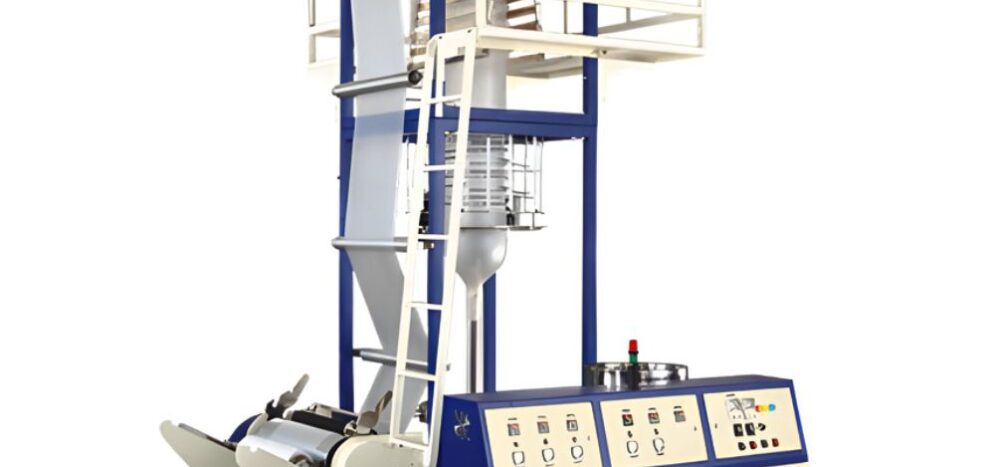
The extruder screw is one of the most important parts of any plastic extrusion machine. It controls how raw material moves, melts, mixes, and reaches the die. A well-designed screw improves production efficiency, delivers consistent melt quality, and reduces energy consumption.
Whether you manufacture blown film, pipes, sheets, or profiles, understanding extruder screw design helps you improve output and product quality. The correct L/D ratio, properly designed screw zones, and a durable screw and barrel combination all play a key role in extrusion performance.
At Ashok Extrusion Tech, high-quality extrusion components are designed to deliver reliable performance across a wide range of plastic processing applications. Learn more at https://ashokextrusiontech.com/.
What Is an Extruder Screw?
An extruder screw is a rotating component installed inside the extruder barrel. As the screw rotates, it transports plastic resin forward while generating heat through friction and mechanical work. This process melts the material, mixes it uniformly, and delivers a consistent melt to the extrusion die.
The performance of the extrusion process depends heavily on the quality of the extruder screw and its compatibility with the screw and barrel assembly.
Why Extruder Screw Design Matters
A properly engineered extruder screw design affects almost every aspect of production.
It helps improve:
- Material feeding
- Plastic melting
- Mixing efficiency
- Output consistency
- Energy efficiency
- Product surface finish
- Production stability
Even small changes in extruder screw design can significantly increase machine productivity while reducing waste and downtime.
Understanding the L/D Ratio
The L/D ratio stands for the ratio between the screw length (L) and its diameter (D).
For example:
- 20:1 L/D
- 24:1 L/D
- 28:1 L/D
- 30:1 L/D
A higher L/D ratio provides the material with more time inside the barrel. This improves melting, mixing, and pressure generation.
Benefits of Different L/D Ratios
Lower L/D Ratio
A lower L/D ratio is suitable for simpler extrusion processes where basic melting is sufficient.
Advantages include:
- Lower manufacturing cost
- Reduced residence time
- Faster material transfer
Higher L/D Ratio
A higher L/D ratio offers several performance advantages.
These include:
- Better melt quality
- Improved mixing
- Higher output
- More stable extrusion
- Better dimensional consistency
Selecting the correct L/D ratio depends on the polymer type, production speed, and product requirements.
The Three Main Screw Zones
Most extrusion screws contain three primary screw zones. Each zone performs a specific function during plastic processing.
1. Feed Zone
The feed zone receives plastic pellets from the hopper.
Its responsibilities include:
- Transporting raw material
- Beginning material heating
- Maintaining steady feed
A properly designed feed section ensures consistent material flow throughout the extrusion process.
2. Compression Zone
The compression zone gradually reduces channel depth.
During this stage:
- Plastic begins melting
- Air is removed
- Material becomes denser
- Pressure starts building
This is one of the most critical screw zones because it directly influences melt consistency.
3. Metering Zone
The metering zone delivers fully melted plastic to the extrusion die.
Its functions include:
- Uniform melt delivery
- Stable pressure
- Consistent temperature
- Smooth product output
A well-designed metering section improves product dimensions and reduces production defects.
How the Screw and Barrel Work Together
The screw and barrel operate as a single system. Even the best screw cannot perform efficiently if the barrel is worn or damaged.
A high-quality screw and barrel combination provides:
- Better heat transfer
- Uniform melting
- Reduced leakage
- Longer service life
- Stable production
Regular inspection helps prevent wear that may reduce machine efficiency.
Factors That Influence Extruder Screw Performance
Several factors determine how well an extruder screw performs.
Material Type
Different polymers require different extruder screw design specifications.
For example:
- LDPE
- HDPE
- PP
- PVC
- ABS
Each material melts differently and requires an optimized screw profile.
Screw Speed
Higher screw speed increases output but also generates additional heat.
Proper speed selection balances productivity and melt quality.
Temperature Control
Maintaining accurate barrel temperatures ensures proper melting throughout the screw zones.
Incorrect temperatures may cause poor mixing or material degradation.
Screw Wear
Over time, friction causes wear between the screw and barrel.
Signs of wear include:
- Reduced output
- Higher energy consumption
- Poor melt quality
- Inconsistent product dimensions
- Increased machine vibration
Routine maintenance helps maintain consistent performance.
Choosing the Right Extruder Screw
Selecting the correct extruder screw depends on several production factors.
Consider:
- Material type
- Product application
- Required output
- Machine size
- L/D ratio
- Mixing requirements
- Production speed
Working with experienced manufacturers ensures the screw matches your production needs.
Ashok Extrusion Tech manufactures precision-engineered extrusion components designed for reliable operation and long service life. Visit https://ashokextrusiontech.com/ to explore extrusion solutions.
Common Problems Caused by Poor Screw Design
An incorrect extruder screw design can lead to several production issues.
These include:
- Uneven melting
- Low production output
- High energy usage
- Burn marks
- Poor mixing
- Surface defects
- Pressure fluctuations
- Frequent maintenance
Upgrading the screw often improves production without replacing the entire extrusion machine.
Maintenance Tips for Longer Screw Life
Proper maintenance extends the lifespan of both the screw and barrel.
Follow these best practices:
- Clean the screw regularly.
- Monitor operating temperatures.
- Use suitable raw materials.
- Inspect wear periodically.
- Avoid metal contamination.
- Replace worn components before severe damage occurs.
Preventive maintenance helps maintain consistent production quality while reducing unexpected downtime.
The extruder screw is the heart of every extrusion machine. Its design directly affects production efficiency, melt quality, product consistency, and operating costs.
Understanding extruder screw design, selecting the correct L/D ratio, optimizing screw zones, and maintaining the screw and barrel system can significantly improve manufacturing performance.
For businesses looking to improve extrusion efficiency with precision-engineered components, Ashok Extrusion Tech offers reliable solutions built for long-term performance. Visit https://ashokextrusiontech.com/ to learn more.
Frequently Asked Questions
What is an extruder screw?
An extruder screw is the rotating component inside an extrusion machine that transports, melts, mixes, and pressurizes plastic before it reaches the die.
What is the ideal L/D ratio?
The ideal L/D ratio depends on the material and application. Many plastic extrusion systems use ratios between 24:1 and 30:1 for efficient melting and stable output.
What are the three screw zones?
The three primary screw zones are the feed zone, compression zone, and metering zone. Together they move, melt, and prepare plastic for extrusion.
Why is screw and barrel compatibility important?
A properly matched screw and barrel improves melt quality, reduces wear, increases output, and extends equipment life.
When should an extruder screw be replaced?
Replacement is recommended when wear causes lower output, inconsistent melting, poor product quality, or excessive energy consumption.