
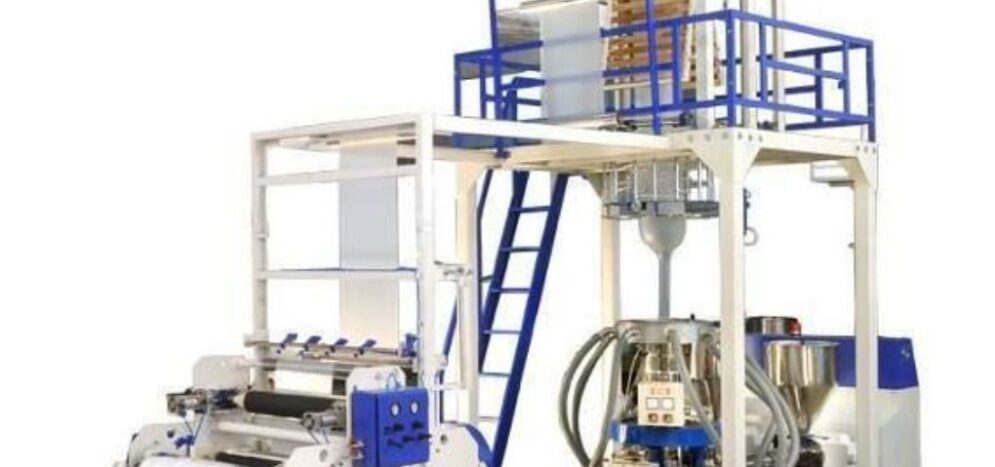
Plastic manufacturing in India has emerged as one of the country’s fastest-growing industrial sectors. Driven by rising demand from packaging, agriculture, construction, healthcare, automotive, and consumer goods industries, the Indian plastics sector continues to expand both domestically and internationally.
The growth of the plastic extrusion industry has played a major role in this transformation. Modern extrusion technologies, automation systems, and sustainable manufacturing practices are helping businesses improve efficiency while meeting changing market demands.
As India strengthens its position as a global manufacturing hub, understanding current plastic industry trends and the future direction of the plastic machinery market India becomes increasingly important for manufacturers, investors, and industry stakeholders.
Overview of Plastic Manufacturing in India
The Indian plastics sector has evolved significantly over the past two decades. What began primarily as a domestic manufacturing industry now serves global markets across packaging, infrastructure, agriculture, healthcare, and consumer products.
Today, plastic manufacturing in India supports thousands of businesses ranging from small processing units to large-scale integrated production facilities.
The industry produces a wide variety of products, including:
- Flexible packaging films
- Plastic bags
- Pipes and fittings
- Agricultural films
- Industrial packaging
- Household products
- Automotive components
- Medical plastic products
This broad application base continues to fuel demand across multiple market segments.
Growth of the Plastic Extrusion Industry
The plastic extrusion industry remains one of the largest segments within India’s plastics sector.
Extrusion technology allows manufacturers to convert plastic raw materials into continuous products such as:
- Blown films
- Cast films
- Pipes
- Sheets
- Profiles
- Cables
- Packaging materials
The growth of e-commerce, food packaging, agriculture, and infrastructure development has significantly increased demand for extrusion-based products.
As a result, the plastic extrusion industry continues to invest in advanced machinery, automation systems, and energy-efficient production technologies.
Key Growth Drivers of Plastic Manufacturing in India
Several factors contribute to the expansion of plastic manufacturing in India.
Expanding Packaging Industry
Flexible packaging remains one of the strongest growth drivers for plastic processors.
Demand continues to increase for:
- Food packaging
- Pharmaceutical packaging
- E-commerce packaging
- Industrial packaging
- Retail packaging
This demand directly supports the growth of the plastic extrusion industry.
Infrastructure Development
Construction and infrastructure projects require plastic pipes, fittings, insulation products, and other extrusion-based materials.
Government investments in infrastructure continue to create opportunities for manufacturers.
Agricultural Applications
Agriculture remains a major consumer of plastic products.
Common applications include:
- Mulch films
- Greenhouse films
- Irrigation pipes
- Water storage systems
These applications strengthen demand for extrusion machinery and plastic processing equipment.
Growing Consumer Markets
Rising disposable income and urbanization continue to support consumption of packaged goods and plastic-based products.
This trend positively impacts plastic manufacturing in India across multiple sectors.
Plastic Machinery Market India: Current Scenario
The plastic machinery market India has experienced significant modernization in recent years.
Manufacturers increasingly invest in:
- High-output extrusion lines
- Energy-efficient machinery
- Automated process controls
- Advanced printing systems
- Recycling equipment
The demand for modern machinery is driven by the need for:
- Higher productivity
- Better product quality
- Reduced material waste
- Lower operating costs
Machine manufacturers are responding by introducing smarter and more efficient production systems.
Automation Trends Transforming the Industry
Automation has become one of the most important plastic industry trends shaping the future of manufacturing.
Smart Process Control
Modern extrusion plants use digital monitoring systems to improve production consistency.
Automated Material Handling
Manufacturers increasingly adopt automated feeding and conveying systems.
Quality Monitoring Systems
Real-time monitoring improves product quality and reduces production defects.
Data-Driven Manufacturing
Production analytics help businesses optimize machine performance and reduce downtime.
These technologies improve operational efficiency while enhancing competitiveness.
Sustainability and Environmental Responsibility
Sustainability has become a major focus area for plastic manufacturing in India.
Growing environmental awareness and regulatory changes encourage manufacturers to adopt more responsible production practices.
Increased Recycling Investments
Companies are investing in recycling technologies to support circular economy objectives.
Recycled Material Integration
Many processors now incorporate recycled content into their production systems.
Energy-Efficient Equipment
New-generation machinery reduces energy consumption and environmental impact.
Sustainable Packaging Solutions
Manufacturers continue to develop recyclable and compostable packaging alternatives.
These initiatives influence both production strategies and future investment decisions.
Impact of Government Regulations
Government policies continue to influence the direction of the plastics industry.
Important regulatory areas include:
- Plastic waste management
- Extended Producer Responsibility (EPR)
- Recycling requirements
- Single-use plastic restrictions
- Sustainability standards
Compliance with these regulations is becoming increasingly important for long-term business success.
Manufacturers that proactively adapt to regulatory changes often gain competitive advantages.
Emerging Opportunities in the Plastic Extrusion Industry
Several emerging sectors present strong growth opportunities.
Flexible Packaging
Flexible packaging continues to expand due to convenience and cost advantages.
Medical Plastics
Healthcare demand drives growth in specialized plastic products.
Renewable Energy Applications
Solar energy and infrastructure projects create demand for extrusion-based products.
Agricultural Modernization
Modern farming techniques continue increasing demand for agricultural plastic solutions.
These sectors support long-term growth within the plastic extrusion industry.
Challenges Facing the Industry
Despite strong growth prospects, manufacturers face several challenges.
Raw Material Price Volatility
Fluctuating polymer prices can affect profitability.
Environmental Concerns
Public scrutiny regarding plastic waste requires ongoing sustainability improvements.
Skilled Workforce Requirements
Advanced machinery requires trained operators and technical expertise.
Global Competition
Indian manufacturers compete with international producers in both domestic and export markets.
Companies that invest in innovation and efficiency are often better positioned to address these challenges.
Plastic Industry Trends to Watch in 2026
Several major plastic industry trends are expected to shape the sector in the coming years.
Higher Automation Adoption
More manufacturers will implement Industry 4.0 technologies.
Increased Recycling Capacity
Recycling infrastructure investments are expected to grow.
Sustainable Material Development
Demand for biodegradable and compostable materials will continue rising.
Smart Manufacturing Systems
Artificial intelligence and predictive maintenance tools will become more common.
Export Market Expansion
Indian manufacturers are expected to strengthen their global presence.
These developments could significantly influence the future of plastic manufacturing in India.
Role of Machinery Manufacturers in Industry Growth
The continued success of the plastic machinery market India depends heavily on equipment innovation.
Modern machinery providers help processors achieve:
- Higher production capacity
- Better product consistency
- Improved energy efficiency
- Lower operating costs
- Enhanced automation capabilities
Companies such as https://ashokextrusiontech.com/ contribute to industry modernization by offering advanced extrusion and packaging machinery solutions that support evolving manufacturing requirements.
Why India Remains Attractive for Plastic Manufacturing
India offers several advantages that continue attracting investment.
These include:
- Large domestic demand
- Expanding industrial infrastructure
- Competitive manufacturing costs
- Skilled technical workforce
- Growing export opportunities
These strengths position plastic manufacturing in India for continued growth in the years ahead.
Plastic manufacturing in India continues to evolve through innovation, automation, sustainability initiatives, and expanding market opportunities. The growth of the plastic extrusion industry, modernization of the plastic machinery market India, and adoption of emerging technologies are reshaping the future of the sector.
While challenges related to sustainability and regulatory compliance remain important, the industry’s long-term outlook remains strong. Businesses that invest in advanced technology, efficient production systems, and environmentally responsible practices will be best positioned to benefit from future growth opportunities.
Frequently Asked Questions
What is driving plastic manufacturing in India?
Growing demand from packaging, agriculture, construction, healthcare, and consumer goods sectors continues to drive plastic manufacturing in India.
What is the plastic extrusion industry?
The plastic extrusion industry produces films, pipes, sheets, profiles, and packaging materials using continuous extrusion processes.
How is the plastic machinery market India evolving?
The plastic machinery market India is adopting automation, energy-efficient systems, and advanced manufacturing technologies.
What are the major plastic industry trends?
Key plastic industry trends include automation, recycling, sustainability initiatives, smart manufacturing, and digital process control.
What is the outlook for India’s plastics sector?
The outlook remains positive due to growing domestic demand, infrastructure development, technological advancements, and expanding export opportunities.