
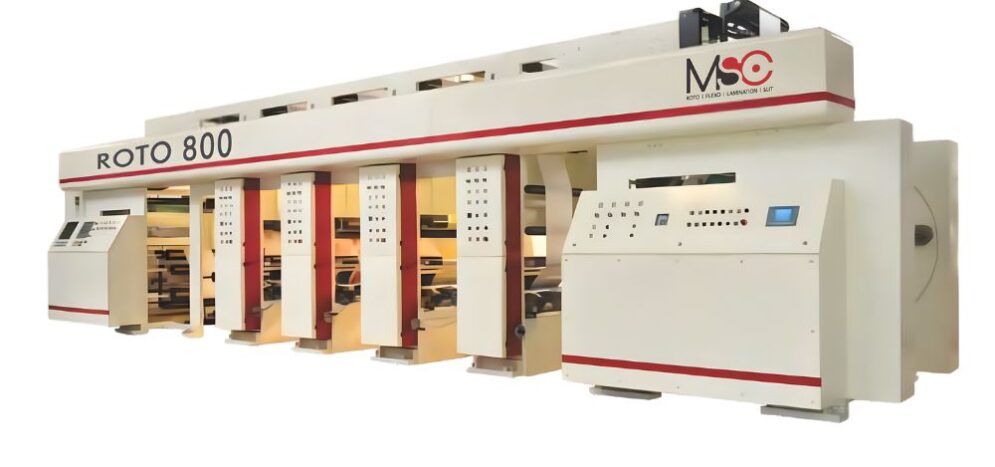
A Rotogravure Printing Machine is one of the most widely used printing systems in the packaging industry. Manufacturers prefer this technology because it delivers exceptional print quality, high production speeds, and consistent results across large printing volumes.
From food packaging and shopping bags to pharmaceutical packaging and laminated films, the rotogravure printing machine plays a vital role in modern flexible packaging production. Businesses that require high-definition graphics, precise color reproduction, and long print runs often choose gravure printing over other printing technologies. https://ashokextrusiontech.com/product/standard-rotogravure/
Understanding how a printing machine rotogravure system works can help manufacturers select the right equipment, improve production efficiency, and achieve superior printing quality.
What Is a Rotogravure Printing Machine?
A rotogravure printing machine is an industrial printing system that transfers ink from engraved cylinders onto various substrates such as plastic films, paper, aluminum foil, and laminated packaging materials.
Unlike other printing methods that use raised or flat surfaces, gravure printing relies on microscopic engraved cells on a rotating cylinder. These cells hold ink and transfer it directly to the printing material.
The process is commonly known as roto printing and is widely used for high-volume commercial printing applications.
Why Rotogravure Printing Is Popular
The popularity of the rotogravure printing machine comes from its ability to produce sharp images and consistent print quality at very high speeds.
Major advantages include:
- Excellent image quality
- Consistent color reproduction
- High-speed production
- Long cylinder life
- Suitable for large print runs
- Strong ink transfer capability
- Compatibility with multiple substrates
These advantages make printing machine rotogravure technology a preferred choice for flexible packaging manufacturers worldwide.
How a Rotogravure Printing Machine Works
The working principle of a rotogravure printing machine is relatively straightforward but highly efficient.
Step 1: Cylinder Engraving
Manufacturers engrave microscopic cells onto a metal cylinder. These cells determine how much ink transfers to the substrate.
Step 2: Ink Application
The cylinder rotates through an ink fountain where the engraved cells fill with ink.
Step 3: Doctor Blade Operation
A doctor blade removes excess ink from the cylinder surface while leaving ink inside the engraved cells.
Step 4: Ink Transfer
The cylinder comes into contact with the substrate and transfers ink directly onto the material.
Step 5: Drying Process
The printed substrate passes through drying chambers where hot air removes solvents from the ink.
Step 6: Multi-Color Printing
The process repeats through multiple printing stations for each color.
This efficient roto printing process enables precise and consistent printing even at high production speeds.
Main Parts of a Rotogravure Printing Machine
Understanding machine components helps manufacturers evaluate equipment quality and performance.
Gravure Cylinder
The engraved cylinder carries the image and controls ink transfer.
Ink Fountain
The ink fountain supplies printing ink to the gravure cylinder.
Doctor Blade
The doctor blade removes excess ink and ensures clean printing.
Impression Roller
This roller presses the substrate against the gravure cylinder for effective ink transfer.
Drying System
The drying section evaporates solvents and prepares the substrate for the next printing station.
Unwinding Unit
The unwinding system feeds the substrate into the machine.
Rewinding Unit
The rewinder collects the printed material into finished rolls.
Each component contributes to the overall efficiency of the rotogravure printing machine.
Materials Printed Using Rotogravure Technology
One of the biggest advantages of printing machine rotogravure systems is substrate versatility.
Common printable materials include:
- BOPP films
- Polyester films
- LDPE films
- HDPE films
- Aluminum foil
- Paper
- Laminated packaging films
- Shrink films
This flexibility makes roto printing suitable for a wide range of packaging applications.
Applications of Rotogravure Printing
The rotogravure printing machine serves multiple industries.
Common applications include:
Food Packaging
Snack packets, frozen food packaging, and dairy packaging frequently use gravure printing.
Pharmaceutical Packaging
Manufacturers print detailed product information and branding on pharmaceutical packaging materials.
Consumer Goods Packaging
Personal care products and household goods often require high-quality printed packaging.
Shopping Bags
Many carry bag manufacturers use roto printing for logos, promotional messages, and product branding.
Industrial Packaging
Industrial films and protective packaging materials also benefit from gravure printing technology.
The ability to maintain quality over long production runs makes gravure printing ideal for large-scale packaging operations.
Factors Affecting Print Quality
Several factors influence output quality in a rotogravure printing machine.
Cylinder Engraving Quality
Accurate engraving improves image sharpness and color consistency.
Ink Quality
High-quality inks produce better print clarity and durability.
Machine Speed
Excessive speed can affect registration and print consistency.
Drying Efficiency
Proper drying prevents smudging and improves final appearance.
Substrate Quality
Different materials absorb and transfer ink differently.
Manufacturers that control these variables typically achieve superior printing results.
Gravure Printing Machine Price: What Affects Cost?
The gravure printing machine price varies significantly depending on machine specifications and production requirements.
Number of Colors
Machines with more color stations generally cost more.
Printing Width
Wider machines require larger cylinders and additional engineering.
Automation Features
Advanced control systems increase productivity but also affect investment costs.
Production Speed
High-speed machines usually command higher prices.
Drying Technology
Efficient drying systems contribute to machine performance and pricing.
Build Quality
Premium engineering and high-quality components often increase the gravure printing machine price but improve long-term reliability.
Why Rotogravure Printing Remains a Preferred Choice
Despite advances in digital and flexographic printing, the rotogravure printing machine remains highly relevant for large-scale packaging production.
Reasons include:
- Exceptional image quality
- Consistent long-run performance
- Lower cost per print at high volumes
- Strong brand presentation
- High production efficiency
For manufacturers producing millions of packaging units annually, gravure printing often provides the most economical solution.
Buying Guide for a Rotogravure Printing Machine
Before investing in a rotogravure printing machine, businesses should evaluate several factors.
Production Volume
Choose a machine that matches current and future demand.
Number of Colors Required
Packaging designs with multiple colors require additional printing stations.
Substrate Compatibility
Verify that the machine supports the materials used in production.
Technical Support
Reliable service and spare part availability reduce downtime.
Energy Efficiency
Efficient machines help lower operating costs over time.
A thorough evaluation helps manufacturers select equipment that delivers long-term value.
Future of Roto Printing Technology
The future of roto printing focuses on automation, sustainability, and efficiency improvements.
Emerging trends include:
- Reduced ink consumption
- Faster setup times
- Improved registration control
- Energy-efficient drying systems
- Smart production monitoring
These innovations continue to strengthen the position of printing machine rotogravure technology within the packaging industry.
A Rotogravure Printing Machine remains one of the most powerful and reliable solutions for high-volume packaging printing. Its ability to produce sharp graphics, vibrant colors, and consistent results makes it an essential asset for flexible packaging manufacturers.
By understanding the working process, machine components, applications, and factors affecting gravure printing machine price, businesses can make informed investment decisions and improve production performance. As packaging demands continue to grow, printing machine rotogravure technology will remain a cornerstone of industrial printing operations. https://ashokextrusiontech.com/product/standard-rotogravure/
Frequently Asked Questions
What is a rotogravure printing machine?
A rotogravure printing machine is an industrial printing system that transfers ink from engraved cylinders onto packaging materials and other substrates.
What is roto printing?
Roto printing refers to the gravure printing process where engraved cylinders transfer ink directly to the printing material.
What materials can a rotogravure machine print on?
The machine can print on plastic films, paper, aluminum foil, laminated materials, and flexible packaging substrates.
What affects gravure printing machine price?
Machine width, number of colors, automation level, production speed, and build quality all influence the gravure printing machine price.
Why is gravure printing used for packaging?
Manufacturers choose gravure printing because it delivers high-quality images, excellent color consistency, and cost-effective long production runs.
A Rotogravure Printing Machine remains one of the most powerful and reliable solutions for high-volume packaging printing. Its ability to produce sharp graphics, vibrant colors, and consistent results makes it an essential asset for flexible packaging manufacturers.
By understanding the working process, machine components, applications, and factors affecting gravure printing machine price, businesses can make informed investment decisions and improve production performance. As packaging demands continue to grow, printing machine rotogravure technology will remain a cornerstone of industrial printing operations.