
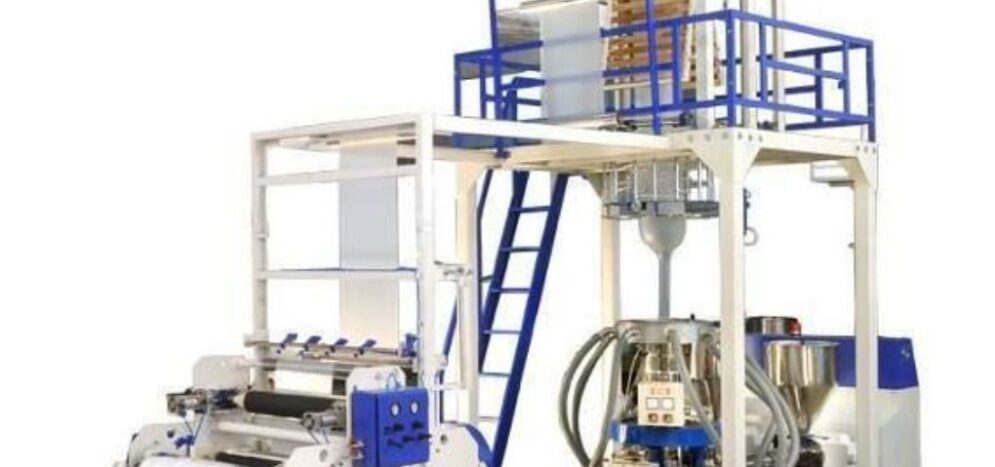
A PP Film Making Machine helps manufacturers produce high-quality polypropylene film for packaging, industrial, and commercial applications. As demand for lightweight and durable packaging continues to grow, businesses increasingly rely on modern film extrusion technology to improve efficiency and product quality.
The PP film making machine converts polypropylene resin into thin plastic films through a controlled extrusion process. Manufacturers use these films in food packaging, textile packaging, stationery products, industrial wrapping, and various flexible packaging applications.
Companies seeking reliable extrusion solutions can explore advanced machinery options at https://ashokextrusiontech.com/ to improve production performance and consistency.
What Is Polypropylene Film?
Polypropylene film is a thermoplastic film produced from polypropylene resin. It offers excellent strength, moisture resistance, clarity, and chemical resistance.
Compared to some other plastic films, polypropylene provides better stiffness and dimensional stability. These properties make it suitable for a wide range of packaging and industrial applications.
Key characteristics include:
- Lightweight structure
- Good tensile strength
- Moisture resistance
- Chemical resistance
- Cost-effective production
- Excellent printability
These benefits continue to drive growth in PP film manufacturing across multiple industries.
What Is a PP Film Making Machine?
A PP film making machine is a specialized extrusion system that produces polypropylene films through the blown film extrusion process.
The machine melts polypropylene resin and converts it into a continuous film bubble. After cooling and processing, the system winds the finished film into rolls for storage, printing, or further conversion.
A standard machine includes several important components.
Extruder
The extruder melts and homogenizes polypropylene resin using controlled heat and screw rotation.
Die Head
The die head shapes the molten material into a tubular film structure.
Air Ring
The air ring cools the film bubble and helps maintain uniform thickness.
Bubble Stabilization System
This system supports stable bubble formation during PP blown film production.
Take-Up Unit
The take-up section pulls the film upward while maintaining proper tension.
Winding System
The finished film enters the winding section, where operators collect it into rolls.
Modern equipment available through https://ashokextrusiontech.com/ helps manufacturers achieve consistent film quality and higher productivity.
PP Film Manufacturing Process
The PP film manufacturing process follows a structured production sequence.
1. Raw Material Feeding
Operators load polypropylene granules into the machine hopper.
2. Melting and Mixing
The extruder heats and melts the resin into a uniform molten material.
3. Film Bubble Formation
The molten polymer exits through the die head while air inflates it into a film bubble. This stage creates the characteristic structure of PP blown film.
4. Cooling
The air ring cools the bubble and solidifies the film.
5. Film Flattening
The system collapses the bubble into a flat film structure.
6. Winding
The machine winds the finished film into rolls for packaging or downstream processing.
This efficient PP film manufacturing process enables high-volume production with minimal material waste.
Applications of Polypropylene Film
The versatility of polypropylene film makes it useful across many industries.
Common applications include:
- Food packaging
- Textile packaging
- Stationery packaging
- Industrial wrapping
- Lamination films
- Agricultural packaging
- Consumer product packaging
- Protective packaging films
As demand for flexible packaging increases, manufacturers continue expanding polypropylene film production capabilities.
Benefits of PP Blown Film
Many businesses choose PP blown film because it offers several advantages.
- Excellent strength-to-weight ratio
- Good moisture barrier properties
- High durability
- Better dimensional stability
- Cost-efficient production
- Wide application range
These benefits make polypropylene film suitable for both commercial and industrial packaging requirements.
Buying Guide for a PP Film Making Machine
Selecting the right PP film making machine requires careful evaluation of production needs and machine specifications.
Production Capacity
Choose a machine that matches current demand and future expansion plans.
Film Width Range
Verify the machine can produce the required film widths.
Energy Efficiency
Energy-efficient systems help reduce long-term operating costs.
Automation Features
Modern controls improve production accuracy and reduce manual intervention.
Maintenance Support
Reliable after-sales service helps minimize downtime and maintain productivity.
Manufacturers can compare machine specifications and extrusion technologies through https://ashokextrusiontech.com/ before making an investment decision.
Why Demand for PP Film Manufacturing Is Growing
The packaging industry continues to expand across food, retail, pharmaceutical, and industrial sectors. As a result, the demand for PP film manufacturing has increased significantly in recent years. Manufacturers prefer polypropylene because it combines strength, flexibility, and affordability in a single material. These qualities help businesses create packaging solutions that protect products while keeping production costs under control.
A modern PP film making machine allows manufacturers to achieve higher output rates without compromising film quality. Advanced automation features improve process control, reduce material waste, and maintain consistent thickness throughout production. This helps companies meet growing customer expectations and industry standards.
Another reason for the popularity of polypropylene film is its versatility. Businesses can use it for packaging food products, textiles, stationery items, consumer goods, and industrial materials. The ability to serve multiple industries makes PP blown film an attractive option for manufacturers looking to expand their product range.
As global demand for flexible packaging continues to rise, investing in reliable PP film manufacturing equipment can help businesses improve productivity, increase profitability, and stay competitive in the market.
Frequently Asked Questions
What is a PP film making machine?
A PP film making machine produces polypropylene films through the blown film extrusion process.
What is polypropylene film used for?
Polypropylene film is commonly used for food packaging, industrial wrapping, textile packaging, and consumer goods packaging.
What is PP blown film?
PP blown film is a polypropylene film produced by inflating molten polymer into a bubble during extrusion.
Why is polypropylene film popular?
It offers strength, moisture resistance, durability, and cost-effective production.
What should I consider before buying a PP film making machine?
Production capacity, automation level, energy efficiency, maintenance support, and film specifications are important factors.
A modern PP Film Making Machine helps manufacturers produce durable and versatile packaging films with high efficiency. Understanding the PP film manufacturing process, machine components, and application areas allows businesses to make informed investment decisions. As demand for polypropylene film continues to grow, selecting the right equipment becomes essential for maintaining productivity, product quality, and long-term profitability.