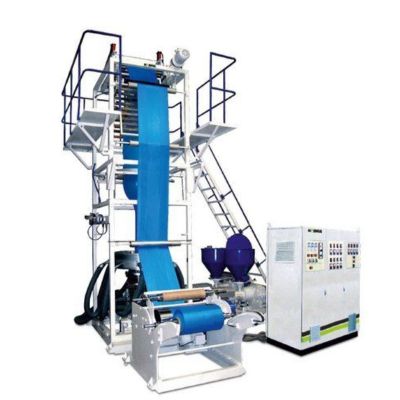
Understanding the blown film plant price is one of the most important steps before investing in a film production business. Whether you are entering the packaging industry or expanding an existing operation, the total investment depends on machine type, production capacity, automation level, and film specifications.
In 2026, the demand for high-output and energy-efficient systems continues to grow as manufacturers focus on reducing production costs while improving film quality.
Companies such as Ashok Extrusion Tech offer a wide range of blown film solutions for different production requirements. Their machine portfolio includes monolayer, AB/ABA multilayer, and ABC three-layer systems designed for various packaging applications.
What Affects Blown Film Plant Price?
The blown film plant price varies based on several technical and commercial factors.
Production Capacity
Higher-output machines require larger screw sizes, bigger motors, and advanced cooling systems. Machines producing 40-60 kg/hr generally cost less than systems producing 150-220 kg/hr. Output capacity is one of the biggest factors influencing the overall blown film plant cost.
Number of Layers
A monolayer machine is usually the most economical option. An AB/ABA multilayer system requires additional extruders and controls, while an ABC three-layer plant involves more advanced technology and a higher investment.
Automation Level
Features such as automatic thickness control, oscillating haul-off systems, auto dosing units, and advanced winding systems can increase the blown film machine price but improve productivity and consistency.
Raw Material Compatibility
Machines capable of processing HDPE, LDPE, LLDPE, and recycled materials often require specialized components, which can affect the blown film extrusion machine price in India.
Monolayer Blown Film Plant Cost
A Monolayer Blown Film Plant is commonly selected by businesses producing shopping bags, liner bags, shrink films, and general-purpose packaging.
Modern monolayer systems offer outputs ranging from approximately 45 kg/hr to 200 kg/hr depending on model configuration. Machines with larger screw diameters and higher output capacities naturally require a higher investment.
Businesses looking for entry-level film production often start with a monolayer setup because it provides lower operating complexity and a faster return on investment.
Learn more about the Monolayer Blown Film Plant.
AB/ABA Multilayer Blown Film Plant Cost
An AB/ABA Multilayer Blown Film Plant is designed for manufacturers seeking stronger films and improved material optimization.
These machines provide better strength-to-weight ratios and allow the use of different material combinations across layers. Production capacities can range from around 55 kg/hr to 180 kg/hr depending on machine configuration.
Although the initial blown film plant cost is higher than a monolayer system, many manufacturers recover the investment through reduced raw material consumption and improved film performance.
Explore the AB/ABA Multilayer Blown Film Plant.
ABC Three Layer Blown Film Plant Cost
An ABC Three Layer Blown Film Plant is generally chosen for premium packaging applications where strength, sealing performance, and material optimization are critical.
These systems can deliver outputs ranging from approximately 60 kg/hr to more than 220 kg/hr depending on the model. They also offer greater flexibility in layer structure and film properties.
While the blown film machine price is typically higher than monolayer and AB/ABA systems, the long-term benefits often include better product quality, higher production efficiency, and improved profitability.
Check the ABC Three Layer Blown Film Plant for detailed specifications.
How to Calculate ROI Before Buying
Before evaluating the blown film plant price, consider the complete return on investment.
Key factors include:
- Daily production output
- Electricity consumption
- Raw material savings
- Labor requirements
- Film selling price
- Machine utilization rate
- Maintenance costs
A higher-capacity machine may require a larger initial investment but can reduce production costs per kilogram over time.
Frequently Asked Questions
What is the average blown film plant price in India?
The price varies significantly based on machine type, output capacity, and automation features. Monolayer plants generally require a lower investment than AB/ABA or ABC multilayer systems.
Does production capacity affect blown film machine price?
Yes. Higher-capacity machines require larger extruders, motors, and cooling systems, which increase the overall investment.
Is an ABC three layer plant worth the higher cost?
For manufacturers producing premium packaging films, an ABC system often delivers better film quality, material optimization, and long-term profitability.
Which blown film extrusion machine is best for beginners?
A monolayer blown film plant is often preferred by new manufacturers because of its lower complexity and investment requirements.
Additional Factors That Influence Blown Film Plant Cost
When comparing the blown film plant price, many buyers focus only on the machine’s initial purchase cost. However, several additional factors can influence the total investment and long-term operating expenses.
Energy Efficiency
Modern blown film plants are designed to consume less power while maintaining higher output levels. Energy-efficient motors, advanced heaters, and optimized cooling systems can reduce electricity costs over the life of the machine. Although these features may increase the initial blown film machine price, they often provide significant savings in the long run.
Production Flexibility
Manufacturers serving multiple industries often require machines that can process different materials and produce films in various thickness ranges. Greater flexibility allows businesses to respond to changing market demands and expand their product offerings without investing in additional equipment.
Machine Durability and Build Quality
The quality of components used in a film extrusion plant directly affects reliability and maintenance costs. High-quality screws, barrels, gearboxes, and control systems can improve machine life and reduce downtime. Investing in a durable machine often results in better productivity and lower repair expenses over time.
Technical Support and After-Sales Service
Reliable technical support is an important consideration when evaluating the blown film extrusion machine price in India. Quick access to spare parts, maintenance assistance, and operator training can minimize production interruptions and improve overall efficiency.
Manufacturers often prefer suppliers with strong service networks because prompt support helps maintain continuous production and protect profitability.
Applications Driving Demand for Blown Film Plants in India
The demand for blown film plants continues to increase across several industries. Growing packaging requirements and rising consumer demand have encouraged businesses to invest in modern extrusion technology.
Common applications include:
- Food packaging films
- Shopping and carry bags
- Industrial liners
- Agricultural films
- Garbage bags
- Stretch films
- Shrink films
- Courier packaging
- Textile packaging
- Protective packaging materials
As these sectors continue to expand, businesses are increasingly investing in advanced Monolayer Blown Film Plants, AB/ABA Multilayer Blown Film Plants, and ABC Three Layer Blown Film Plants to improve production capacity and product quality.
The ideal blown film plant price depends on your production goals, target market, and future growth plans. While a monolayer system may suit startups, growing manufacturers often benefit from investing in AB/ABA or ABC multilayer technology.
Instead of focusing only on the purchase price, evaluate production efficiency, material savings, output capacity, and long-term profitability. The right investment can significantly improve operational performance and business growth.