
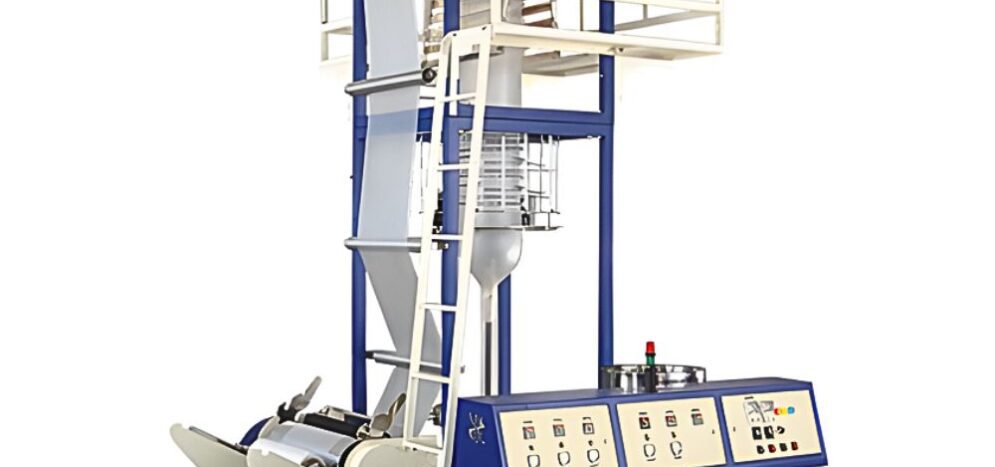
What Is a Blown Film Plant? Parts, Working Process & Uses
Plastic films are essential in modern manufacturing. Businesses use them for packaging, agriculture, retail products, and industrial applications. As demand for flexible packaging grows, manufacturers rely on a blown film plant to produce high-quality plastic films efficiently.
A blown film plant is a complete production system that converts plastic raw materials into thin plastic films. The process creates strong, lightweight, and flexible films that serve many industries. As a result, blown film technology has become one of the most important methods in plastic film manufacturing.
Companies looking for reliable extrusion solutions often choose the Monolayer Blown Film Plant for efficient plastic film production and dependable extrusion performance.
What Is Blown Film?
Many people ask, what is blown film?
Blown film is a plastic film produced by melting polymer resin and pushing it through a circular die. The machine then injects air into the center of the molten tube. Consequently, the tube expands into a bubble shape.
As the bubble cools, it forms a thin plastic film. The system then flattens and winds the film into rolls for further processing.
The blown film process creates films with excellent strength and flexibility. Therefore, manufacturers use it for packaging, agricultural films, shopping bags, and industrial wrapping materials.
What Is a Blown Film Plant?
A blown film plant combines several machines and components into one production system. Together, these components transform plastic granules into finished film rolls.
The plant performs multiple tasks:
- Feeding raw materials
- Melting plastic
- Extruding molten resin
- Creating the film bubble
- Cooling the film
- Flattening the bubble
- Winding the finished film
Because the entire operation runs continuously, manufacturers achieve high production rates and consistent quality.
Main Parts of a Blown Film Plant
Every blown film plant contains several important components.
Hopper
The hopper stores plastic granules before production begins. It continuously feeds raw material into the extrusion system.
Extruder
The extruder is the heart of the blown film extrusion machine.
Inside the extruder, a rotating screw moves plastic through a heated barrel. The material melts and becomes a uniform molten mass.
Therefore, the extruder directly affects film quality, output, and energy efficiency.
For manufacturers seeking higher productivity and improved film structure, the ABC Three Layer Blown Film Plant offers advanced multilayer extrusion capabilities and enhanced film performance.
Screen Changer
The screen changer removes contaminants from molten plastic. As a result, the finished film remains smooth and defect-free.
Circular Die
The circular die shapes molten plastic into a tubular form.
Because die quality affects thickness uniformity, manufacturers pay close attention to die design.
Air Ring
The air ring cools the plastic bubble with controlled airflow.
Consequently, the film maintains consistent thickness and strength.
Bubble Formation System
The system injects air into the plastic tube to create the bubble. This stage defines the width and orientation of the film.
The bubble is one of the most recognizable features of a blown film machine.
Collapsing Frame
After cooling, the collapsing frame flattens the bubble into a double-layer film structure.
Take-Up Unit
The take-up unit pulls the film upward at a controlled speed. This helps maintain consistent film dimensions.
Winder
The winder collects the finished film and converts it into rolls. Operators can then store, transport, or process these rolls further.
How Does the Blown Film Process Work?
The blown film process follows several important stages.
Step 1: Material Feeding
Operators load plastic resin into the hopper. The material then moves into the extrusion system.
Step 2: Plastic Melting
The blown film extrusion machine heats the resin while the screw rotates continuously.
As a result, the material melts evenly and becomes ready for processing.
Step 3: Extrusion
The machine pushes molten plastic through the circular die.
The die forms the material into a continuous plastic tube.
Step 4: Bubble Inflation
The system injects air into the center of the tube.
Consequently, the tube expands into a large bubble. This step plays a crucial role in determining film width and strength.
Step 5: Cooling
The air ring cools the bubble as it rises.
Therefore, the film maintains proper dimensions and physical properties.
Step 6: Film Flattening
The collapsing frame converts the bubble into flat film.
The system prepares the film for winding and downstream processing.
Step 7: Winding
Finally, the winder rolls the finished film onto cores.
Manufacturers can then use the rolls for printing, bag making, lamination, or packaging.
Types of Films Produced by a Blown Film Plant
A blown film plant can produce several types of films.
Packaging Films
Manufacturers use these films for food packaging and consumer goods packaging.
Stretch Films
Stretch films secure products during transportation and storage.
Shrink Films
These films shrink around products when exposed to heat.
Agricultural Films
Farmers use agricultural films for greenhouses, mulching, and crop protection.
Lamination Films
Lamination films improve durability and barrier properties.
Garbage Bag Films
Municipalities and businesses use these films for waste management applications.
Because of this versatility, the blown film machine serves many industries.
Advantages of a Blown Film Plant
Manufacturers choose a blown film plant for several reasons.
High Production Efficiency
The system operates continuously and delivers high output.
Strong Film Properties
The process creates durable films with excellent mechanical strength.
Flexible Production
Manufacturers can produce different film grades and thicknesses.
Cost-Effective Manufacturing
The process reduces waste and improves material utilization.
Consistent Product Quality
Modern control systems maintain uniform thickness throughout production.
Therefore, film extrusion technology remains a preferred solution for plastic film manufacturers worldwide.
Applications of Blown Film Technology
The demand for industrial packaging film continues to increase.
Packaging Industry
Food packaging and consumer goods packaging represent the largest market segment.
Agriculture
Agricultural films help improve crop growth and productivity.
Retail Sector
Retail businesses use blown films to produce shopping bags and carry bags.
Healthcare Industry
Medical packaging requires strong and reliable plastic films.
Logistics and Warehousing
Stretch films help secure products during transportation.
As industries continue to grow, demand for efficient plastic film extrusion systems also increases.
Why Choose Advanced Blown Film Equipment?
Modern manufacturers need equipment that delivers reliability, productivity, and quality.
For this reason, many manufacturers invest in the AB ABA Multilayer Blown Film Plant to achieve better layer distribution, improved material utilization, and superior film quality. High-quality equipment improves efficiency, reduces downtime, and supports long-term production goals.
Frequently Asked Questions
What is blown film?
Blown film is a plastic film produced by inflating molten plastic into a bubble and converting it into film rolls.
What does a blown film plant do?
A blown film plant converts plastic raw materials into finished film products used in packaging, agriculture, and industrial applications.
What materials are used in a blown film machine?
Manufacturers commonly use LDPE, LLDPE, HDPE, and polypropylene.
Why is the blown film process important?
The blown film process produces strong, flexible, and cost-effective films for many industries.
What industries use blown film products?
Packaging, agriculture, healthcare, logistics, retail, and industrial sectors use blown film products extensively.
A blown film plant is a vital part of modern plastic manufacturing. It produces the films used in packaging, agriculture, healthcare, and many other industries. Moreover, the technology offers excellent flexibility, efficiency, and product quality.
Understanding what is blown film, how a blown film extrusion machine works, and the stages involved in the blown film process helps businesses make better investment decisions.With advanced solutions such as the Monolayer Blown Film Plant, ABC Three Layer Blown Film Plant, and AB ABA Multilayer Blown Film Plant, manufacturers can achieve consistent production and long-term growth.