
HDPE film production is one of the most widely used plastic film manufacturing processes in the packaging industry. From grocery bags and milk pouches to industrial liners and shopping bags, high density polyethylene film is known for its strength, durability, and cost-effectiveness.
A modern HDPE film making machine helps manufacturers produce lightweight yet strong films that meet the growing demand for flexible packaging. Understanding the production process, machine components, and applications can help businesses choose the right equipment and improve production efficiency.
For businesses looking for advanced extrusion solutions, https://ashokextrusiontech.com/ offers a range of film extrusion systems designed for consistent and high-quality output.
What Is HDPE Film?
High Density Polyethylene (HDPE) is a thermoplastic polymer known for its high strength-to-density ratio. Compared to LDPE, HDPE produces stronger and stiffer films with better tensile strength.
Because of these properties, high density polyethylene film is widely used in packaging applications where durability and load-bearing capacity are important.
Common characteristics include:
- High strength
- Lightweight structure
- Moisture resistance
- Chemical resistance
- Cost-effective production
These advantages make HDPE film manufacturing a preferred choice for packaging producers worldwide.
What Is an HDPE Film Making Machine?
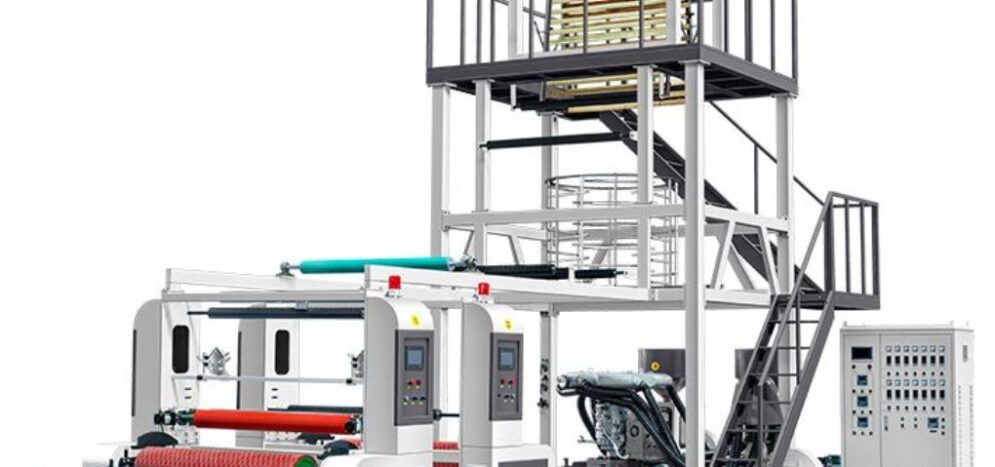
An HDPE film making machine is a specialized extrusion system used to convert HDPE granules into thin plastic films through the blown film process.
The machine melts raw polymer material and forms a continuous film bubble that is cooled, flattened, and wound into rolls.
A standard HDPE film making machine typically includes:
Extruder
The extruder melts and mixes HDPE raw material at controlled temperatures.
Die Head
The molten plastic passes through a circular die to create a tubular film.
Air Ring
The air ring cools the film bubble and helps maintain film quality.
Frost Line Area
This is the point where molten plastic solidifies into film. Proper frost line control is essential for consistent film properties.
Take-Up Unit
The film bubble is pulled upward and flattened.
Winder
Finished film is wound into rolls for storage and further processing.
Manufacturers can explore different extrusion technologies through https://ashokextrusiontech.com/ to improve production quality and efficiency.
HDPE Film Production Process
The HDPE film production process follows a systematic sequence to ensure uniform film thickness and strength.
1. Raw Material Feeding
HDPE granules are loaded into the hopper of the extrusion system.
2. Melting and Extrusion
Inside the extruder, heat and screw rotation melt the material into a homogeneous molten state.
3. Film Bubble Formation
The molten polymer exits through the die head while compressed air inflates it into a bubble. This stage is known as HDPE blown film production.
4. Cooling and Frost Line Formation
The air ring cools the bubble. As cooling occurs, the frost line becomes visible where the molten material transforms into solid film.
5. Collapsing and Winding
The bubble is flattened into a lay-flat film and wound into rolls for further conversion and printing.
This HDPE film manufacturing method allows high-speed production with excellent material utilization.
HDPE vs LDPE Film
Many manufacturers compare HDPE and LDPE before selecting a film solution.
| Feature | HDPE | LDPE |
|---|---|---|
| Strength | Higher | Moderate |
| Rigidity | Higher | Lower |
| Transparency | Lower | Higher |
| Impact Resistance | Good | Excellent |
| Typical Applications | Grocery bags, milk bags | Stretch films, liners |
Because of its superior strength, high density polyethylene film is often chosen for load-bearing packaging applications.
Applications of HDPE Blown Film
The versatility of HDPE blown film makes it suitable for numerous industries.
Common applications include:
- Grocery bags
- Shopping bags
- Milk packaging
- Carry bags
- Food packaging liners
- Industrial liners
- Agricultural packaging
- Textile packaging
The growing demand for sustainable and lightweight packaging continues to drive the expansion of HDPE film manufacturing worldwide.
Benefits of Using an HDPE Film Making Machine
Investing in a modern HDPE film making machine offers several advantages.
- High production efficiency
- Consistent film thickness
- Reduced material wastage
- Lower operating costs
- Reliable output quality
- Better process control
Advanced machinery available at https://ashokextrusiontech.com/ helps manufacturers achieve higher productivity while maintaining product quality.
Why Choose an HDPE Film Making Machine for Packaging Production?
Many packaging manufacturers choose an HDPE Film Making Machine because it delivers a strong balance of productivity, film strength, and cost efficiency. HDPE films can withstand higher loads compared to many other plastic films, making them suitable for shopping bags, milk packaging, industrial liners, and general-purpose packaging applications. Modern machines also support stable production speeds and consistent film quality, helping businesses meet large-scale market demands. As packaging requirements continue to evolve, investing in a reliable HDPE Film Making Machine can help manufacturers improve operational efficiency, reduce production costs, and maintain a competitive advantage in the market.
The demand for durable and cost-effective packaging continues to increase across industries. An efficient HDPE film making machine plays a crucial role in producing high-quality films with excellent strength and performance.
By understanding the HDPE film production process, machine components, and applications, manufacturers can make informed investment decisions and improve production efficiency. Modern HDPE film manufacturing systems also help businesses meet evolving packaging requirements while maintaining consistent product quality.
Frequently Asked Questions
What is HDPE film manufacturing?
HDPE film manufacturing is the process of converting HDPE resin into plastic film using blown film extrusion technology.
What is an HDPE film making machine used for?
An HDPE film making machine produces plastic films used for packaging, shopping bags, milk bags, and industrial applications.
What is the frost line in blown film extrusion?
The frost line is the point where molten plastic cools and solidifies into film during the HDPE blown film process.
Is HDPE stronger than LDPE?
Yes. High density polyethylene film generally offers greater strength and stiffness compared to LDPE film.
What products are made from HDPE blown film?
Common products include grocery bags, milk bags, industrial liners, carry bags, and packaging films.